A fire is a traumatic event that violates the safety of your home. Even after the fire trucks leave, the damage continues. Acidic soot residues settle on surfaces, causing pitting and corrosion within hours. We are your Saint JohnS University, MN fire recovery specialists. From emergency board-up service after fire to the final deodorization, we walk with you through the entire recovery process.
Call 24/7: Get an Immediate Crew On-Site
Fire damage is complex. You have the charring from the flames, the water damage from the hoses, and the pervasive smoke damage. We specialize in smoke damage cleaning and soot removal from walls and ceilings. Different types of fires (protein, wood, plastic) create different types of smoke webs. We match the cleaning chemical to the type of soot to prevent smearing and permanent staining.
Masking the smell with air fresheners doesn't work. The smoke odor particles are embedded in the pores of your wood and drywall. We use ozone treatment for smoke odor and thermal fogging to penetrate these materials. This process breaks down the odor-causing molecules, ensuring that "smokey smell" doesn't return on hot, humid days months later.
Call 24/7: Get an Immediate Crew On-Site
We offer fire damaged content cleaning and pack out. We carefully inventory, wrap, and transport your salvageable belongings to our facility for ultrasonic cleaning and ozone treatment. Meanwhile, on-site, we perform fire damage roof tarp services to protect your open home from the elements while the interior restoration begins.
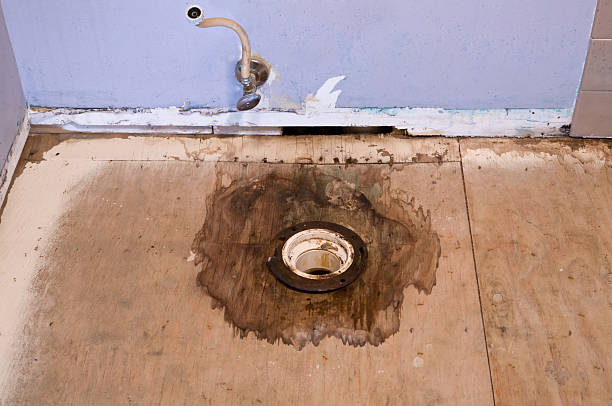
The fire is over; let the healing begin. We treat your home and your memories with the utmost care, working tirelessly to erase the signs of the fire.
Call for 24/7 Board-Up & Restoration: (833) 541-0100
"The kitchen fire was small, but the smoke ruined the whole downstairs. DCUC cleaned the walls, the carpets, and the ducts. It smells like a new house."
"They arrived while the fire department was still rolling up hoses to board up our windows. That peace of mind was priceless."
"Incredible attention to detail. They cleaned soot off my collection of porcelain figurines without breaking a single one."
By the early 1950s the monastic community had reached to a near 450 monks, and had outgrown the original abbey church and so plans were made to construct a new, larger worship space which could accommodate a larger congregation. The liturgical movement which would culminate in the Second Vatican Council was in full swing at Saint John's and so the new church was also to be designed with some of the anticipated liturgical changes in mind. (Following the Council, almost no changes needed to be made to incorporate the new liturgical rules.) The community contacted twelve architects and asked them to submit plans for a church which would "be truly an architectural monument to the service of God." In 1954 the community selected Marcel Breuer to design not only the new church but an addition to the monastic enclosure.
Zip Codes in Saint JohnS University, MN that we also serve: 56321